
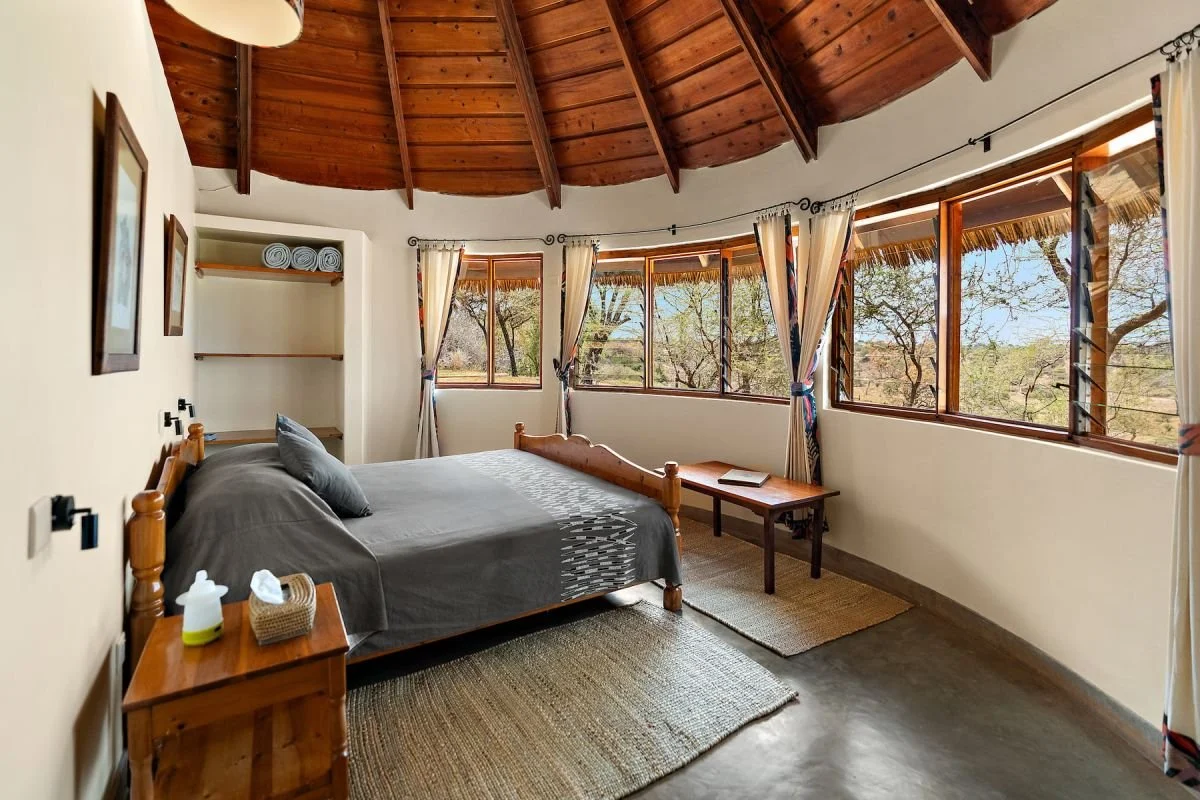
Choosing a Tanzania safari stay involves more than deciding between canvas and solid walls. The right accommodation supports your route and the way you enjoy spending your days. One camp may put you close to a particular wildlife area; a lodge may suit a family who values extra shared space. Neither label tells you everything about the room, facilities or atmosphere. Use this guide to compare stays practically, then ask for a shortlist built around your itinerary and dates. A good room is part of a good journey, rather than a separate decision.
Start with where you will wake up
Look at the stay’s location in relation to planned outings. A property described with a famous park’s name may be inside that park, in a neighbouring area or on a wider regional route. Each can have a place in an itinerary, but the daily experience differs. Ask what the location means for your planned start, the journey to the wildlife area and the next destination. A room upgrade does not automatically improve the route. Sometimes the more useful choice is a stay that makes the day flow better.
Understand the accommodation label
A tented camp can range from a simple setup to a substantial room with a permanent bathroom and generous furnishings. Lodges also vary widely in style and facilities. Instead of relying on a category, ask about the exact room type, sleeping arrangement, bathroom, electricity and shared spaces. Photographs should help you understand the named property, rather than replace a conversation about comfort. If a detail affects your enjoyment, confirm it before making the final selection. Avoid assuming that a feature shown at one property is standard across every stay in the same category.
A lodge may suit you if…
You enjoy a more building-based setting and want to compare shared facilities. Ask about the room layout and atmosphere at the named property. The word lodge alone does not guarantee a pool, air conditioning or a particular service level.
A tented camp may suit you if…
You like a camp atmosphere and a closer connection with the surroundings. Check bathrooms, lighting and practical movement around camp. Canvas does not necessarily mean basic, and a stylish tent does not remove the need to understand its facilities.
Decide which comfort details really matter
Make a short list of essentials. A family may need connected rooms or a particular bed arrangement. Another traveller may value quiet shared areas, a place to read or a room that is easier to access. Explain mobility needs and practical requirements early so proposed stays can be checked. Ask about steps, distances between rooms and dining areas, and arrangements after dark. These specifics help your planner compare suitable options without assuming everyone means the same thing by comfortable. Be clear which preferences are essential and which are simply nice to have.
Check meals against the programme
Meal descriptions should match the itinerary. Ask which meals are included, how a full-day outing is handled and what happens on arrival and departure days. Dietary requirements should be discussed and checked with the actual properties. If an important requirement needs confirmation, keep the answer with the proposal. Drinks, laundry and other extras vary by stay, so compare the inclusions you will use. It is easier to understand a quotation when each accommodation package is described clearly instead of assuming every stay includes identical arrangements.
Think about how often you want to unpack
Changing properties can introduce variety, but every change involves packing, timing and another arrival. When comparing programmes, ask why each move is proposed. Does it follow the wildlife area, connect the next destination or introduce another accommodation style? Two or more nights in one place can create a settled rhythm, while a carefully chosen change can make a wider route work. The useful question is what the move adds to your trip. A quieter morning at the same camp can be as appealing as arriving somewhere new.
Match the stay to the season and route
Your month and the places you want to explore belong in the accommodation discussion. Check whether the property operates on your dates and whether its location suits that part of the route. For a migration-focused Serengeti journey, the intended wildlife area matters alongside room photographs. TANAPA's Serengeti information is official background; your proposal should identify the camps or lodges being considered. Avoid assuming similarly named properties share a location or experience. Our seasonal planning guide explains the broad questions to raise.
Compare value across the whole safari
A lower room price can be attractive, but consider what changes with the selection. The journey to the next destination, meal arrangements and included services may differ. Ask for a like-for-like alternative with the same dates and group size, then discuss what you gain or lose. You might prefer to spend more in one part of the trip and keep another chapter simpler. A balanced itinerary does not have to use one category throughout. The aim is a clear set of choices that suits your priorities, not an upgrade at every stop.
Questions to ask about each proposed property
Confirm the exact property name, location and room category. Ask which beds, bathroom facilities and meals are proposed. Find out what your group should know about moving around the property and which extras are paid separately. If the first choice is unavailable, ask how an alternative will be agreed. Keep those answers with the current itinerary so later changes are easy to follow. Accommodation availability can influence the final shortlist; understanding the alternatives makes that conversation more useful.
Browse our accommodation collection and see how stays connect with Tarangire, Ngorongoro and other destinations. The Northern Explorer itinerary is one starting point. When you send your trip ideas, explain which comfort details matter most. A good shortlist should make choosing easier, rather than leave you sorting through dozens of unrelated room photographs without knowing how any of them fit the journey.