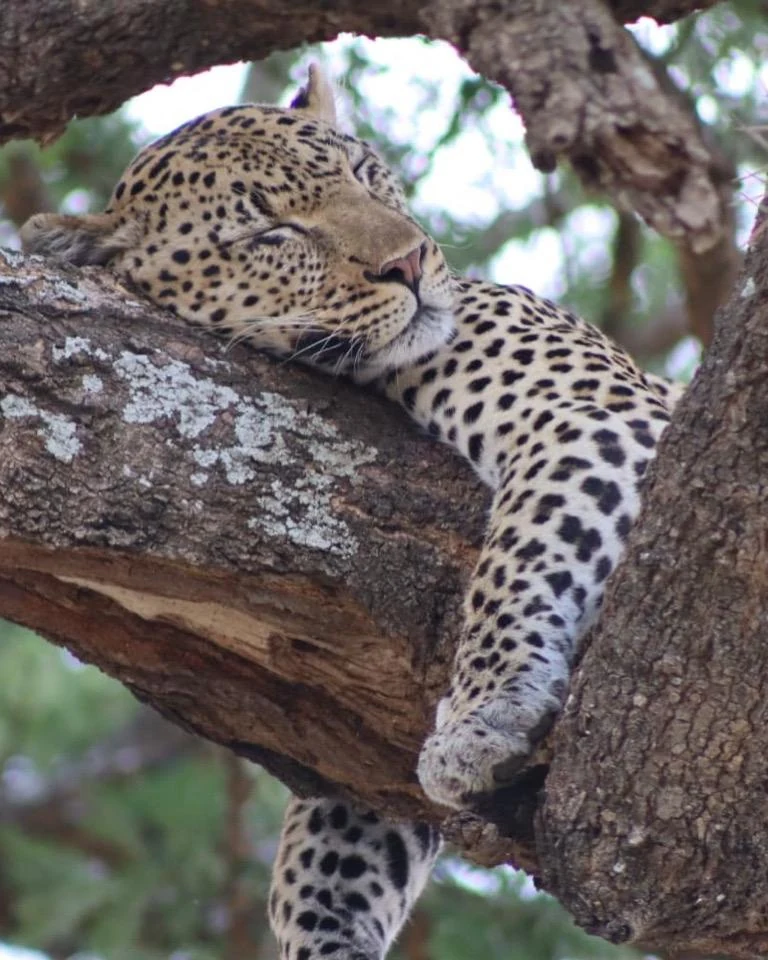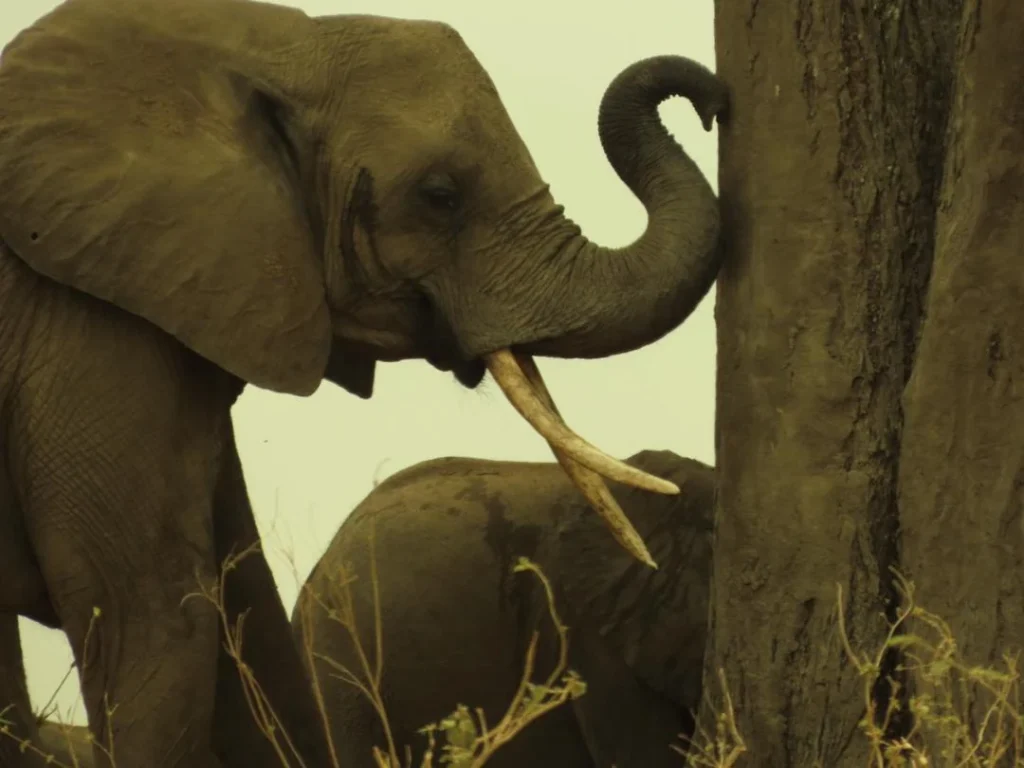
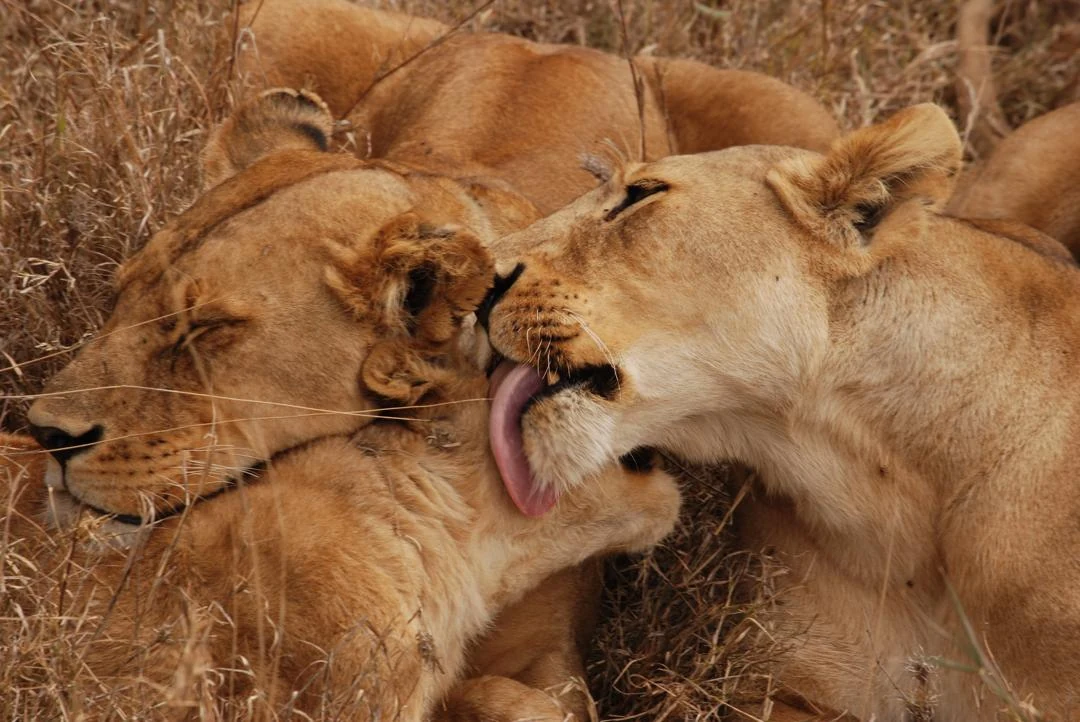
A first Tanzania safari often begins with a photograph: a lion in long grass, an elephant beside a baobab, or the Serengeti stretching beyond the horizon. Turning that photograph into a good holiday takes a different kind of thinking. You need to decide how the days connect, what comfort means to your group and how much time you want to spend moving between places. This guide helps you make those choices in a useful order, so your enquiry begins with a clear idea rather than an overwhelming list of parks.
Begin with the experience, then choose the route
Write down the three things you would most like to remember afterwards. Perhaps you want unhurried wildlife viewing, a memorable camp and a few beach afternoons. Another group may prefer changing landscapes, walking opportunities and a family-friendly rhythm. These priorities are more useful than trying to include every famous destination. They help your planner decide where to spend an extra night and where to simplify the route. Everyone travelling should contribute, especially if this is a shared celebration or a first long trip together.
Start exploring with our Serengeti destination guide and Tarangire guide. TANAPA's official Serengeti information provides background on the park’s wildlife and migration. Use it to frame your interests; a wildlife sighting is always a possibility rather than an appointment.
Give the itinerary enough breathing room
Compare nights and usable time, rather than only counting days. An arrival evening, a full wildlife-viewing day and a departure morning are different experiences even if all appear in an itinerary. Ask your planner to explain which days are mainly transfers and which leave room to explore. A route with fewer hotel changes can give you more relaxed mornings and less time repacking. If you are combining safari with the coast, count those island nights separately before deciding whether the mainland section feels long enough.
A shorter safari
Choose one compact route and explain your main wildlife interests. Keep arrival and departure connections realistic, and ask what you give up when you remove a night. A shorter trip works best when its priorities are clear.
A longer safari
Use extra nights to enjoy a place more fully or add a landscape that changes the experience. More time does not need to mean more stops. A second unhurried morning in the same area can be a worthwhile choice.
Choose stays around location and daily rhythm
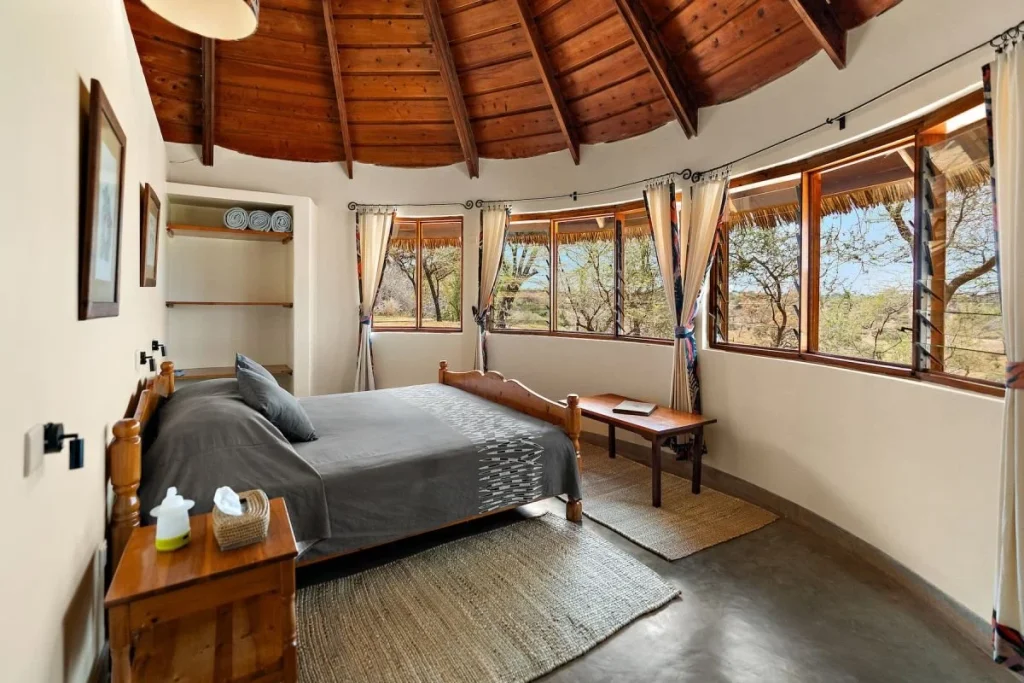
A beautiful room matters, but so does where you wake up. Compare the lodge or camp’s location with the areas you expect to explore. A lower nightly rate may come with a different daily route, while an upgrade may improve the room without changing the wildlife experience. Discuss bathroom arrangements, family room options, meal plans and any accessibility needs before settling on a shortlist. Our lodge and tented camp comparison explains the questions worth asking. Ask for the exact property and room category in the written proposal.
Use the season to shape expectations
Your dates influence scenery, wildlife movements, road conditions and availability. Tell your planner whether your travel window is fixed, flexible by a week or open across several months. That flexibility can change which route makes sense. Migration-focused travel needs particular attention to the proposed part of the Serengeti, rather than simply adding migration to a tour title. Weather and herd movements vary, so explain what you hope to see and ask which area suits the dates you actually have. Our season-by-season guide can help you begin.
Compare the complete proposal, not a headline price
Use the same travel dates, traveller numbers and room arrangement when comparing quotations. Then check the named accommodation, number of nights, transport, guiding, meals and included activities. A shared departure and a private vehicle are different products. Optional outings may change the final total. You do not need to choose every extra immediately, but you should understand what has been assumed. Keep the written proposal and request an updated version when an important element changes, so everyone is working from the same plan.
Confirm the start and finish points and the expected arrival arrangements. Check which meals and activities are included each day. Ask how accommodation alternatives will be discussed if your first choice is unavailable. Share ages, room preferences and practical requirements early. These small questions make a proposal easier to compare and help avoid a different expectation of what the holiday includes.
Leave room for the people travelling with you
A successful safari needs to suit the whole group. Discuss how early everyone likes to start, whether long outings are appealing and how much downtime makes the holiday enjoyable. Families may value a gentler arrival day or fewer room changes; photographers may want more time in one wildlife area. These are planning choices, not obstacles. Mention them in the first conversation, along with particular interests, so the day-by-day programme reflects how you want to spend the holiday. A quieter afternoon can be part of a well-planned trip too.
Turn your ideas into a useful first enquiry
You do not need a finished itinerary to contact us. Share a preferred month, traveller numbers, an approximate trip length and your three priorities. If you have a budget in mind, explain whether it covers safari arrangements or the wider holiday. The Northern Explorer journey offers a route to start discussing. You can also browse all Tanzania safari ideas and explain which details you would change.
Ready to give that first safari photograph a real route? Use Plan Your Trip to tell us about your people, dates and preferred pace. For official background, see TANAPA's trip-planning information. We can use your ideas to begin shaping a personal proposal, with the route and practical details brought together before you confirm.