The best time to visit Tanzania for safari depends on what you hope to experience and how flexible your dates can be. Dry landscapes, green scenery, migration interests and the pace of your wider holiday can each lead to a different choice. Rather than searching for one perfect month, match your priorities to a region and a realistic route. This guide explains the broad picture and questions to ask before committing to dates. Treat the calendar as planning guidance: weather and wildlife movements do not follow a guaranteed daily schedule.
Start with the region, not only the month
Tanzania is varied, so one seasonal label cannot describe every park and coast at once. A northern safari, a southern wilderness journey and an island stay may need different conversations about timing. Decide which experience is central, then check the rest of the route around it. Explore our Tanzania destinations and make a shortlist before comparing months. If your travel window is fixed, ask which route suits it rather than forcing every destination into one departure. Be specific about what you hope the holiday will feel like.
June to October: a broad dry-season window
TANAPA's trip-planning guide identifies June to October as the dry season and describes wildlife gathering around water sources. This is a broad starting point for a wildlife-focused enquiry. Your programme still depends on the park, interests and available stays. Discuss the balance between wildlife viewing and travel, especially when combining areas. Popular dates can make it sensible to begin the accommodation conversation early. Ask for the actual locations in your proposal rather than choosing a room style after every other detail has been fixed.
November and December: consider a greener setting
The same TANAPA guide describes November and December as a short-rains period, with greener scenery and potentially muddy tracks. Ask how your route and properties are expected to work in the actual window. Keep activity and transfer assumptions grounded in current conditions. If you enjoy landscape photography or a different atmosphere from dry grass and dust, explain that interest. Your planner can discuss suitable areas without treating the season only as an alternative to a more familiar travel month. Flexibility is useful, but it should come with an understandable programme.
Wildlife leads the decision
Choose the region and particular interest first, then ask which part of the year and area fit the brief. Migration-focused travel needs a more specific location discussion than a general wildlife safari. Keep room for nature to vary the experience.
Your holiday dates are fixed
Share the window and the things that matter most. Be open to a different route or stay location if it creates a better holiday in that period. A suitable programme is more useful than a promise that every destination will be at its best simultaneously.
January and February: ask specific migration questions
The official Serengeti page highlights January and February for calving-season interests. Discuss the intended wildlife area and where the camp sits in relation to it. A general Serengeti booking does not answer those questions alone. Ask how the programme fits your dates, what flexibility is possible and what other experiences it offers. The holiday should remain enjoyable when a wildlife moment happens differently from the photograph that inspired you. Choosing a suitable region is a planning decision; it cannot turn a particular encounter into a guarantee.
March to May: discuss practical flexibility
TANAPA identifies March to May as the long-rains period and advises checking roads and accommodation availability. Have the route reviewed around actual operating arrangements. Discuss transfer options, which stays are open and whether the plan needs more flexibility. Do not assume that a seasonal price difference tells the whole story. The practical questions are whether the route works for your group and whether it matches your hopes. A clear answer is more useful than a blanket seasonal slogan. Keep your comfort preferences in the conversation as well as the destination names.
Look at each northern destination in context
TANAPA's Tarangire introduction explains the importance of the Tarangire River during dry conditions. The Ngorongoro Conservation Area Authority's seasonal information distinguishes between the crater and surrounding plains. Ask about the specific place rather than only a broad regional name. Our Tarangire guide and Ngorongoro guide can help you compare the areas you would like to include. Then ask how the proposed nights and transfer days support those choices for your month.
Match the stay location to the seasonal route
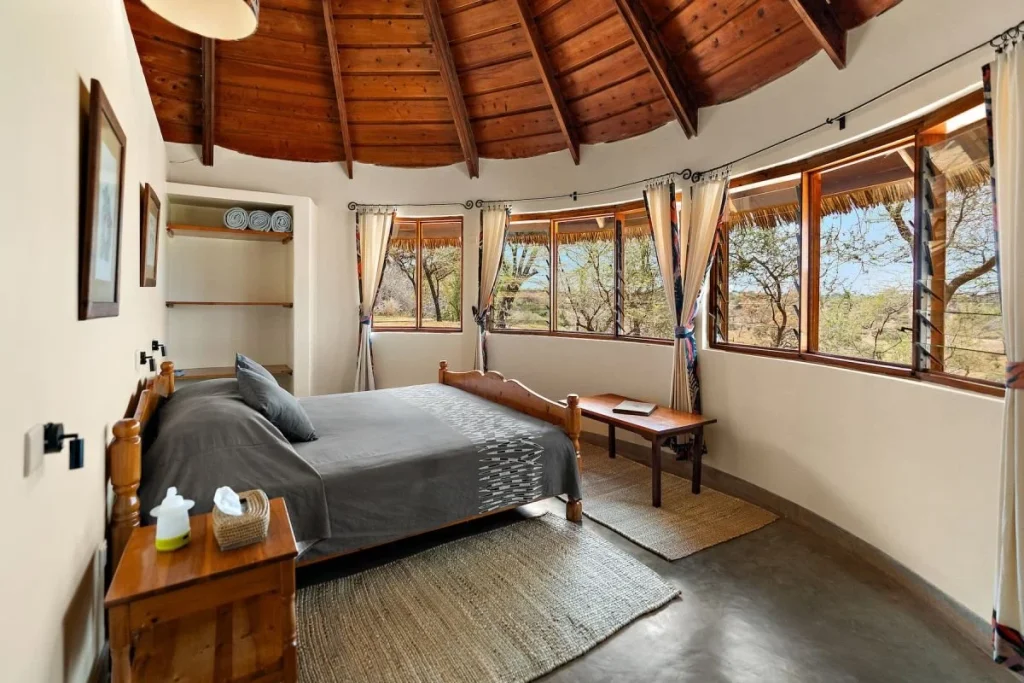
Once you have a likely period, look at accommodation as part of the route. Ask why a particular camp or lodge is proposed and how it supports the wildlife areas. Check nights, changes of base and transfer days. A stay with the right location may matter more than another room feature. Read our safari accommodation guide when comparing styles, then discuss a shortlist with the same dates and group size. Make sure any alternative property is explained in terms of location and daily experience, not only a similar price category.
Make the choice around your whole holiday
Consider the people travelling, time available and whether an island chapter is part of the plan. Our safari and Zanzibar guide explains connection questions. The Migration Trails journey is a starting point if migration matters most; other Tanzania itineraries offer a broader wildlife experience. Compare how each programme uses its days, not simply which one mentions the largest number of destinations. If you have flexibility, ask what changes between two possible travel windows before you choose.
When you send an enquiry, share your preferred month and flexibility. Mention the experiences you value most and those you consider optional. Include traveller numbers and an approximate trip length so the route and accommodation conversation can begin together. A season guides the plan, but the best choice brings your priorities and practical arrangements into the same discussion. Recheck the current programme and named stays before confirmation, particularly when your travel dates or route have changed during planning.